

COHERENCE AT VELOCITY:
A blog by GREG KIHLSTRÖM
Perspectives on Marketing Technology, AI Adoption, Commerce, & CX, incorporating ideas from his upcoming book
Get a weekly email recap by signing up for the LinkedIn newsletter

MarTech: AI Agents Are Coming Between You and Your Customers
Greg Kihlström in MarTech on how consumer AI agents like Meta’s Muse change access, measurement, policy, and loyalty decisions for brands.

What Does Your AI Know That Your Competitors’ AI Doesn’t? Coherence at Velocity | October 14, 2026
Your competitors run the same models on the same public data. McKinsey, HBR, and Marketing Week writers on owning your context, escaping average output, and showing finance your working before 2027 budgets close.
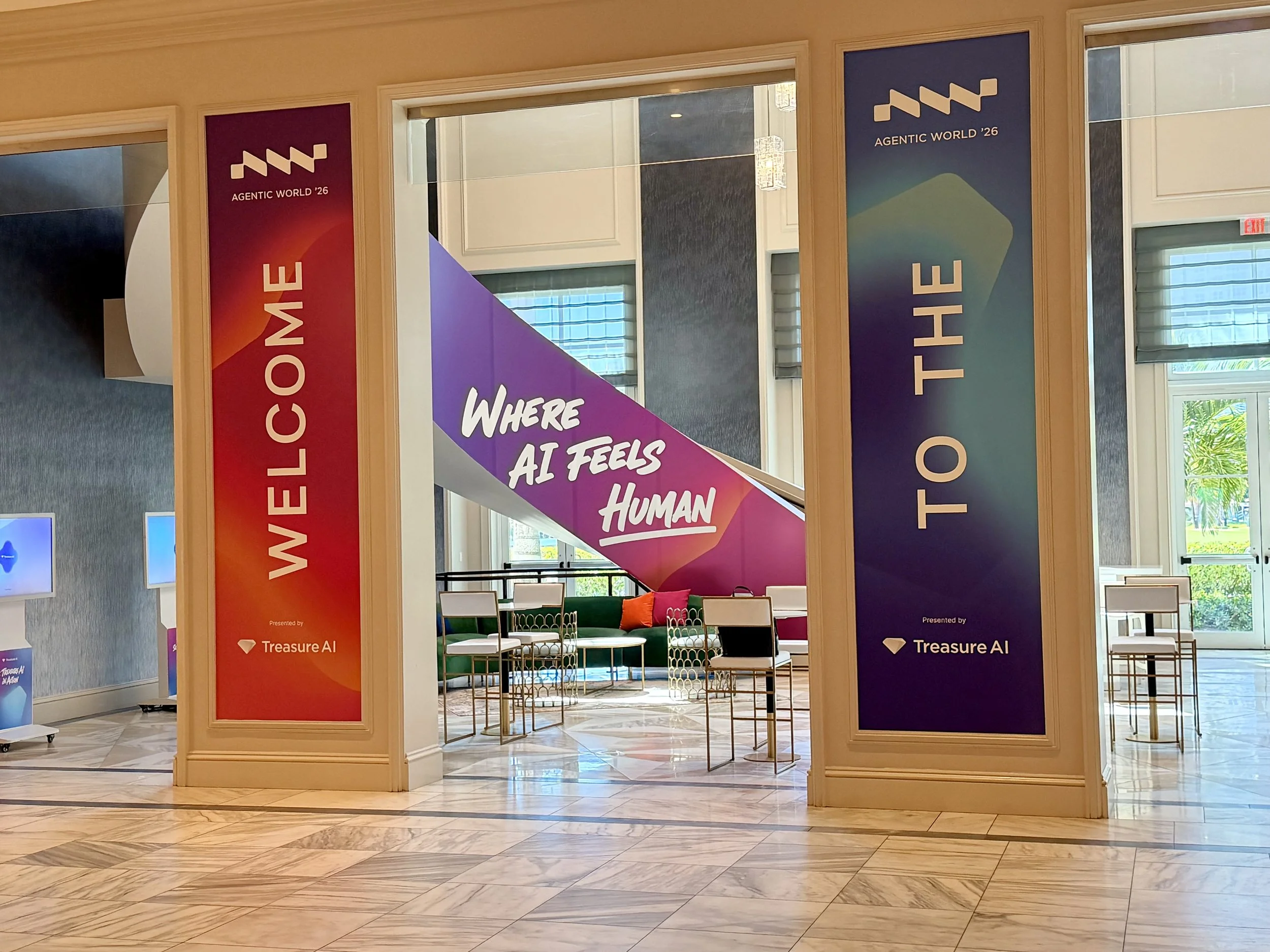
CMSWire: Can Treasure AI's Personalization Studio Close the CDP-to-Website Gap?
This article was written by Greg Kihlström for CMSWire. How many of your website visitors does your CDP already recognize, and how many still see the same site as a first-time visitor, even though they know your brand?

Who Finds Out What Happened After Your Customer’s Agent Bought? Coherence at Velocity. October 10, 2026
When an AI agent buys for your customer, another company can end up holding the record of what the customer asked for and whether the purchase worked. Choudary in HBR, Tesco Media, Kantar, and Gartner on who holds outcome records and how to get yours.

CMSWire: What If CX Leaders Stopped Making the Case for CX?
This article was written by Greg Kihlström for CMSWire. I am not aware of anyone publishing an annual argument that revenue is good. There is no Profit Day. Finance leaders don't spend a designated day each year explaining to colleagues why margin belongs in the planning cycle.
75% of Marketers Can't Say Which Promotions Pay. Coherence at Velocity | October 8, 2026
Someone chose the target that each optimizing system in your marketing stack works toward. JP Castlin, Les Binet and Dom Boyd, and two Gartner analysts published this week on who chooses it and how many decisions marketers run against it.
Your Best AI Training Data Is What Reviewers Sent Back. Coherence at Velocity | October 6, 2026
Christian Catalini writes in HBR that verification now limits what companies get from AI. Marketing Week data on talent and AI search, and Korn Ferry on adaptability, lead to one practice: log every override.
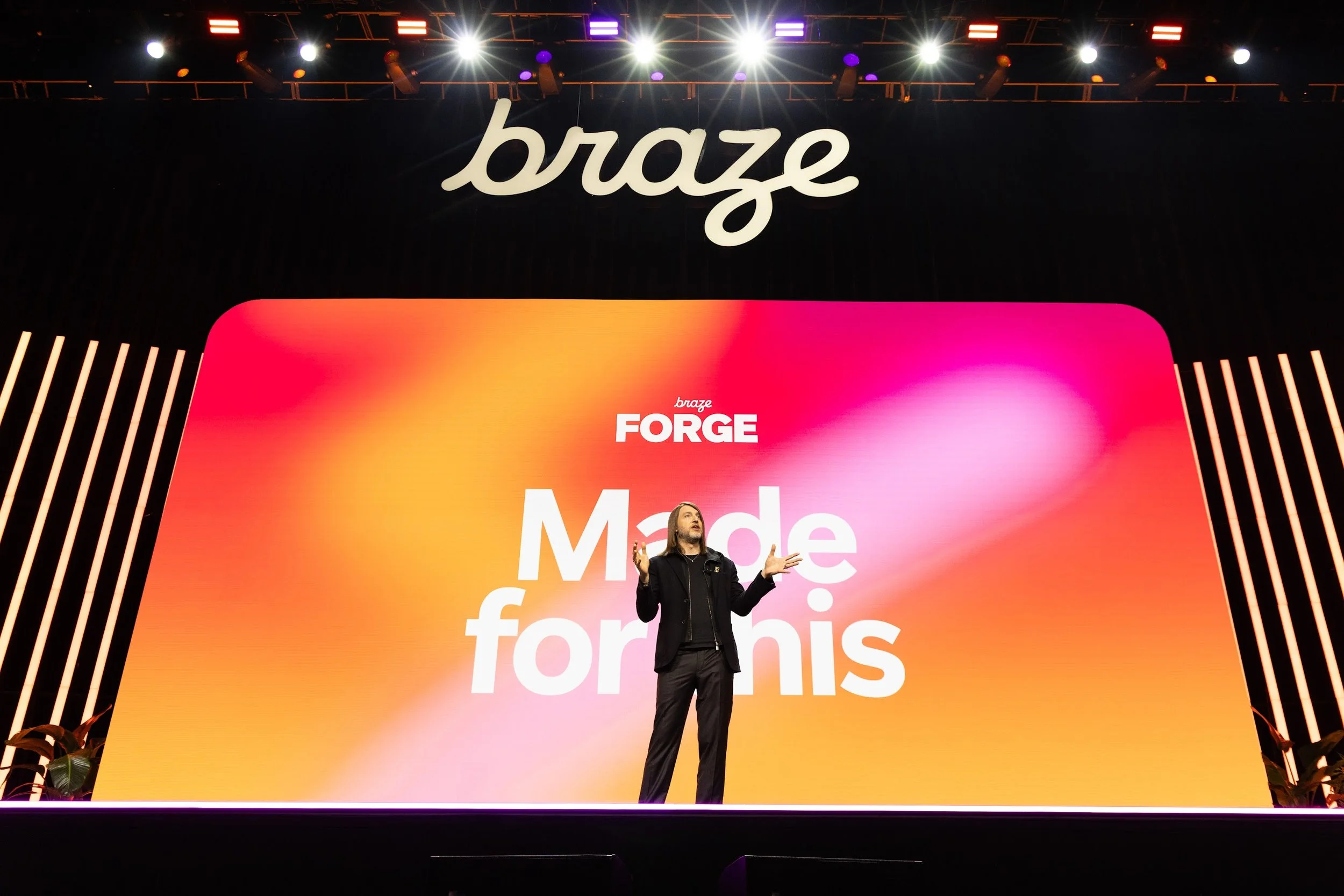
CMSWire: Braze Forge Hands Marketers Decisioning, QA and Headless Campaign Control
This article was written by Greg Kihlström for CMSWire. The promise of introducing greater automation and autonomy from AI-based tools is, as Braze’s Chief Business Officer Ashta Malik put it on stage on Day 2 of Braze Forge, “giving marketers more room to think.” Yet that time has been spent on some important, if time-consuming tasks.
What Did the Saved Hours Pay For? Change Futurist | October 2, 2026
WFA research finds 96% of marketers use AI, 52% measure it by time saved, and 30% measure nothing. McKinsey, HBR, and Marketing Week on deciding what the freed hours pay for.
Who Will Know How Your Marketing Works in 2030? Change Futurist | September 29, 2026
Gartner, the WFA, and HBR on one question for CMOs: as AI absorbs entry-level work, vendor builds, and agency hours, who in your organization will still know how your marketing works in 2030?
Who Pays When the Model Is Wrong? Change Futurist | September 26, 2026
Employees override proven AI to protect their careers. HBR, Gartner, and Ipsos on why AI adoption stalls at the question of who pays when a model is wrong, and how to fix it.

MarTech: How to build a marketing team with AI coworkers
This article was written by Greg Kihlström for MarTech. You’re likely deep into your 2027 planning these days, so headcount, budget, and the people needed to execute your big plans for the year are likely top of mind. Beyond people, you also need to consider data and platform needs.
Someone Has to Decide What the Machine Stops Making. Change Futurist | September 24, 2026
Gartner finds 57% of consumers trust brand messaging less because of AI-generated content. HBR, Marketing Week, and Gartner on the marketing decision nobody owns: what to stop producing.
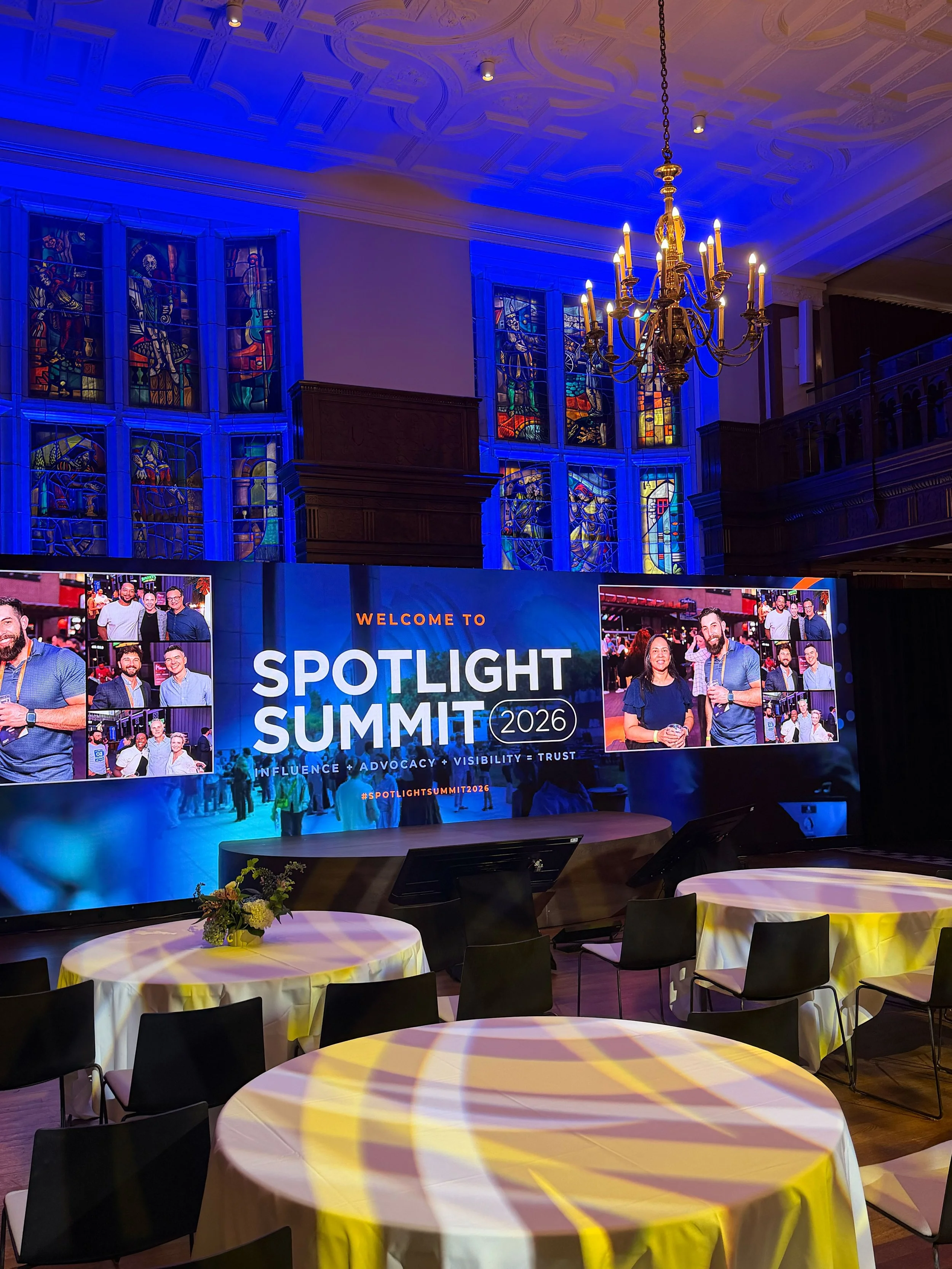
CMSWire: Why Does More Owned Content Cap Your Answer Engine Visibility?
This article was written for CMSWire by Greg Kihlström. What share of the sources behind your brand's AI mentions point back to your own website? Chances are, that number is declining, catching many by surprise.
Coordination Consumes 35 to 60% of Your Team's Time. Change Futurist | September 21, 2026
Coordination consumes 35 to 60 percent of work time in knowledge-intensive organizations. McKinsey, Gartner, Marketing Week, and MarketingProfs on why the handoffs between workflow steps cap the return on marketing AI.
Count the Hours That Moved, Not the Hours You Saved. Change Futurist | September 19, 2026
New research from HBR and Salesforce's Paula Goldman points at the same blind spot in AI-enabled marketing: speed at one step moves work to a step nobody measures. A practitioner's guide to finding it.
Who gets to approve an agent's output? Change Futurist | September 16, 2026
HBR, Gartner, and Marketing Week converged this week on one question blocking AI value in marketing: who holds the authority to decide. A practitioner's guide to assigning it.
The distance between perceiving and deciding. Change Futurist | September 14, 2026
Adrian Leow at Gartner named the gap this week: agents perceive information efficiently and fall short on contextualized decisions. Four sources supply the job description for the humans standing on the other side of that line.
Who Will Pick Your Eight Agents? Change Futurist | September 10, 2026
Forrester, HBR, and Marketing Week converged inside five days on the constraint behind every AI routing decision: the manager layer making the call came up through channels. Selection is a judgment act.

CMSWire: Optimizely Retires DXP Label, Bets Everything on Agent Platform
This article was written by Greg Kihlström for CMSWire. Marketers find themselves in a paradox: drowning in requests and feeling like they are doing the job of more than one person, yet also facing an existential crisis as AI could replace at least part of their work. Yet, there is a potential silver lining for marketers, brands, and even customers if the right AI adoption decisions get made.